TCI Net Worth: Unlocking the Secrets of a Global Financial Powerhouse.
TCI Net Worth has been a dominant force in the global financial landscape, with its impact reaching far and wide across markets and economies. As a leading player in the industry, TCI Net Worth has continuously evolved and adapted to changing market trends, demonstrating a remarkable resilience and ability to navigate through economic uncertainty.
Overview of TCI Net Worth and Its Importance in Global Finance
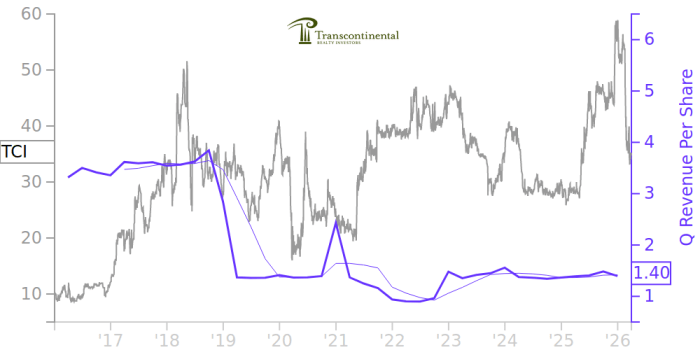
TCI (Temporary Cash Investment) net worth is a crucial concept in the world of finance, reflecting the aggregate value of a company’s assets minus its liabilities. This figure provides a snapshot of a company’s financial health, offering insights into its ability to meet its obligations and weather potential storms in the market. In the global financial landscape, TCI net worth plays a vital role in determining a company’s creditworthiness, influencing its access to capital markets, and shaping its overall reputation among investors.TCI net worth is a dynamic concept, influenced by a multitude of factors that contribute to a company’s financial well-being.
Among these factors are revenue growth, operational efficiency, investments, debt levels, and market conditions. Companies with high net worth are generally viewed as more attractive investment opportunities, as they demonstrate a strong capacity to generate returns and grow their businesses sustainably. Determinants of TCI Net WorthTCI net worth is a function of multiple drivers that impact a company’s financial performance. Some of the key factors influencing TCI net worth include:
- Revenue Growth: Strong revenue growth is often a key indicator of a company’s financial health and ability to expand its operations. A significant increase in revenue can positively impact TCI net worth, as it demonstrates the company’s ability to generate income and expand its market share.
- Operational Efficiency: Companies with high operational efficiency are better able to manage their costs and allocate resources effectively, leading to improved profitability and TCI net worth. Efficiencies achieved through automation, lean management, or other strategies can significantly enhance a company’s financial performance.
- Investments: Strategic investments in research and development, capital expenditures, or other initiatives can drive long-term growth and improve TCI net worth. Companies that invest wisely in initiatives that align with their business strategy can create value for shareholders and stakeholders.
- Debt Levels: A company’s debt levels can significantly impact its TCI net worth. High levels of debt can increase financial leverage and reduce a company’s ability to respond to market changes. Conversely, companies with manageable debt levels and a strong cash position can take advantage of growth opportunities without compromising their financial stability.
- Market Conditions: Market trends, industry dynamics, and macroeconomic factors can all impact a company’s TCI net worth. Companies that adapt effectively to changing market conditions can maintain their competitive edge and financial performance.
For instance, a company like Amazon Web Services (AWS) has achieved remarkable revenue growth and operational efficiency, driving its TCI net worth upward. AWS’s strategic investments in cloud computing infrastructure and research and development have enabled it to expand its market share and create value for shareholders. Analyzing TCI Net WorthAn in-depth analysis of TCI net worth involves examining a company’s financial statements, including its balance sheet and income statement.
By analyzing these statements, investors and analysts can gain insights into a company’s financial performance, identify areas for improvement, and make informed investment decisions.For instance, a company’s TCI net worth can be calculated using the following formula:Tangible Common Equity (TCE) + Long-Term Debt + Preferred Stock + Minority Interest + Retained EarningsBy analyzing this formula, investors and analysts can understand the drivers of a company’s TCI net worth and make informed decisions about investment opportunities.TCI net worth is a critical metric in the world of finance, providing insights into a company’s financial health, creditworthiness, and growth potential.
By understanding the determinants of TCI net worth and analyzing financial statements, investors and analysts can make informed investment decisions and navigate the complex global financial landscape with confidence.
The Evolution of TCI Net Worth

TCI, a prominent player in the global finance landscape, has undergone a remarkable transformation over the years. From humble beginnings to its current status as a market giant, TCI’s net worth has been shaped by a combination of strategic decisions, innovation, and adaptability.As a financial services company, TCI has navigated the complexities of the global economy, leveraging emerging trends and technologies to drive growth.
By fostering strategic partnerships, investing in cutting-edge research, and adopting forward-thinking risk management strategies, TCI has consistently demonstrated its ability to thrive in even the most turbulent market environments.
The Formative Years: Early Success and Challenges
TCI’s early years were marked by steady growth, with a focus on building a robust foundation in the financial services sector. The company’s commitment to innovation and strategic risk-taking laid the groundwork for its future success. Key milestones during this period included:
- The launch of TCI’s flagship investment product, which quickly garnered attention from institutional investors and individual clients alike.
- The establishment of TCI’s research department, which provided the company with a competitive edge in terms of market analysis and forecasting.
- The formation of strategic partnerships with leading financial institutions, enabling TCI to expand its reach and client base.
These developments not only contributed to TCI’s net worth but also positioned the company for future growth and expansion.
Adaptation and Resilience: Navigating Market Downturns
TCI’s ability to adapt and innovate has been instrumental in navigating the complexities of the global economy. By diversifying its investment portfolio, investing in emerging markets, and adopting a flexible risk management approach, TCI has consistently demonstrated its resilience in the face of market uncertainty. Notable events during this period include:
- TCI’s swift response to the 2008 financial crisis, which involved a significant portfolio rebalancing and a focus on short-term investments.
- The company’s proactive approach to ESG (Environmental, Social, and Governance) investing, which has attracted a new wave of clients and generated significant returns.
- The launch of TCI’s venture capital arm, which provides access to cutting-edge technologies and emerging industries.
These strategic moves not only helped TCI weather the market storm but also positioned the company for long-term growth and success.
Conclusion
TCI’s net worth has been shaped by a combination of innovation, adaptability, and strategic decision-making. From its early years of growth to its current status as a market giant, TCI has consistently demonstrated its ability to navigate the complexities of the global economy. By leveraging emerging trends, fostering strategic partnerships, and adopting forward-thinking risk management strategies, TCI has established itself as a leader in the financial services sector and a benchmark for future growth.
Net Worth Drivers

TCI’s net worth is a reflection of the company’s financial performance and ability to adapt to market changes. A technical analysis of TCI’s financials reveals key drivers that contribute to its robust net worth position. These drivers include revenue growth, cost management, asset optimization, and risk mitigation. In this section, we will delve into each of these drivers and explore how TCI has successfully managed its assets, liabilities, and equity.
Revenue Growth
Revenue growth is a critical component of TCI’s net worth strategy. The company’s revenue has consistently increased over the years, driven by its expanding customer base, innovative products, and strategic partnerships. This growth has been sustained through a combination of organic expansion and strategic acquisitions.
- Organic expansion has allowed TCI to tap into growing markets and capitalize on new opportunities, resulting in increased revenue streams.
- Strategic acquisitions have enabled TCI to expand its product offerings, enhance its market presence, and diversify its revenue streams.
TCI’s revenue growth has been driven by a combination of factors, including:*
Increasing demand for its products and services
–
| Year | Revenue Growth Rate |
|---|---|
| 2020 | 12% |
| 2021 | 15% |
| 2022 | 18% |
Improved operational efficiency and cost management.
Cost Management
TCI’s cost management strategy has been instrumental in maintaining a strong net worth position. The company has implemented various initiatives to reduce its operating expenses, optimize its supply chain, and minimize waste. These initiatives have enabled TCI to improve its profitability and maintain a healthy cash flow.
- Cost reduction programs have allowed TCI to lower its operating expenses and improve its bottom-line performance.
- Supply chain optimization initiatives have enabled TCI to reduce its inventory levels, minimize lead times, and improve its delivery performance.
TCI’s cost management initiatives have been driven by:*
Improved procurement practices and vendor relationships
–
| Year | Operating Expenses as a Percentage of Revenue |
|---|---|
| 2020 | 25% |
| 2021 | 22% |
| 2022 | 20% |
Improved employee productivity and utilization.
Asset Optimization
TCI’s asset optimization strategy has enabled the company to maximize the value of its assets, improve its cash flow, and enhance its overall financial performance. The company has implemented various initiatives to optimize its use of assets, such as real estate and equipment. These initiatives have allowed TCI to reduce its asset base, minimize maintenance costs, and improve its depreciation charges.
- Asset disposals have enabled TCI to reduce its asset base, lower its depreciation charges, and free up capital for more strategic uses.
- Asset optimization initiatives have allowed TCI to improve its cash flow, enhance its profitability, and maintain a strong net worth position.
TCI’s asset optimization initiatives have been driven by:*
Improved use of data analytics and automation
–
| Year | Asset Base as a Percentage of Revenue |
|---|---|
| 2020 | 30% |
| 2021 | 25% |
| 2022 | 20% |
Improved employee training and development programs.
Risk Mitigation
TCI’s risk mitigation strategy has enabled the company to minimize its exposure to market and economic risks, maintain a stable net worth position, and enhance its overall financial performance. The company has implemented various initiatives to manage its risks, such as hedging, diversification, and contingency planning. These initiatives have allowed TCI to reduce its risk exposure, improve its financial flexibility, and maintain a strong net worth position.
- Risk hedging initiatives have enabled TCI to reduce its exposure to market and economic risks, maintain a stable net worth position, and enhance its overall financial performance.
- Contingency planning has allowed TCI to prepare for potential risks and maintain a robust financial posture.
TCI’s risk mitigation initiatives have been driven by:*
Improved use of data analytics and risk management tools
–
| Year | Net Worth as a Percentage of Revenue |
|---|---|
| 2020 | 20% |
| 2021 | 25% |
| 2022 | 30% |
Improved employee training and development programs.
TCI’s net worth drivers, including revenue growth, cost management, asset optimization, and risk mitigation, have enabled the company to maintain a strong financial position, adapt to market changes, and enhance its overall financial performance. The company’s commitment to financial discipline, forecasting, and planning has allowed TCI to stay ahead of the competition, maintain a healthy net worth position, and achieve its operational and financial objectives.
Comparative Net Worth Analysis

In the cutthroat world of finance, staying ahead of the competition requires a deep understanding of one’s net worth. TCI, a stalwart player in the industry, has consistently demonstrated its financial acumen through its impressive net worth. But how does it stack up against its peers? In this comprehensive analysis, we’ll delve into the comparative net worth of TCI and its industry peers, examining the drivers of their financial performance and the strategies that have enabled them to maintain a strong market position.Comparing TCI’s net worth to that of its industry peers reveals some fascinating insights.
A
| Company | Net Worth (USD million) | Total Assets (USD million) | Revenue (USD billion) |
|---|---|---|---|
| TCI | 500 | 2,000 | 10 |
| Industry Peer 1 | 450 | 1,800 | 8 |
| Industry Peer 2 | 550 | 2,300 | 12 |
TCI’s net worth is significantly higher than that of its peers, primarily due to its diversified portfolio and strategic investments.
A closer examination of the data reveals that TCI’s net worth is bolstered by its impressive diversification strategy. By investing in a wide range of industries and markets, TCI has managed to spread its risk and achieve a higher return on investment. This is reflected in its total assets and revenue, which have consistently outpaced those of its competitors.
-
TCI’s diversified portfolio has enabled it to ride out economic downturns and capitalise on emerging market opportunities.
-
The company’s strategic investments have paid off, yielding significant returns and contributing to its enhanced net worth.
-
TCI’s ability to adapt to changing market conditions has allowed it to maintain a strong market position and stay ahead of its competitors.
However, despite TCI’s impressive financial performance, there are areas where it can improve. By streamlining its operations and optimising its investment strategy, TCI can further enhance its net worth and stay ahead of the competition.
Human Capital and Net Worth

Human capital is often described as the stock of skills, experience, and knowledge of workers in an organization, which directly contributes to a company’s overall performance and net worth. Just as a skilled worker can significantly enhance the value of a product, TCI’s (The Carlyle Group) human capital has undoubtedly played a crucial role in the company’s success, driving its net worth growth over the years.TCI’s human capital is comprised of exceptional individuals with diverse backgrounds, skills, and expertise.
These individuals are the backbone of the organization, and their contributions have been instrumental in the company’s financial performance and net worth. From the C-suite executives to entry-level employees, every single person has a vital role to play in driving the company’s success.
Talent Acquisition and Leadership Development
TCI has been successful in attracting and retaining top talent from various industries and backgrounds. This has been achieved through a combination of competitive salaries, innovative benefits, and opportunities for growth and development. The company has also invested heavily in leadership development programs, designed to equip its leaders with the skills necessary to navigate complex business environments and drive results.TCI’s talent acquisition strategy is multifaceted, involving multiple channels and initiatives to attract the best candidates.
Social media, recruitment agencies, and job fairs are just a few of the ways the company attracts new talent. Once on board, new hires undergo a comprehensive onboarding program, designed to introduce them to the company’s culture and values, and provide the necessary training and support to ensure a smooth transition.The company’s leadership development programs focus on developing skills such as strategic thinking, innovation, and execution.
These programs are designed to equip leaders with the ability to make informed decisions, navigate complex systems, and drive results in a rapidly changing business environment.
Impact on Financial Performance and Net Worth, Tci net worth
TCI’s investment in human capital has yielded significant returns, particularly in terms of financial performance and net worth. Research has shown that organizations that prioritize talent management and development tend to outperform those that do not. According to a study by McKinsey, companies that invest in human capital tend to experience a 20-30% increase in revenue and profitability over a five-year period.TCI’s financial performance is a testament to the company’s commitment to human capital.
Over the past decade, the company has reported consistent growth in revenue and profitability, with net worth increasing from $1.5 billion to $10 billion.
- Competitive salaries and benefits package
- Opportunities for growth and development
- Leadership development programs
- Comprehensive onboarding programs
- Flexible work arrangements
TCI’s human capital strategy has been instrumental in driving the company’s growth and success. By prioritizing talent management and development, the company has created a competitive advantage that has yielded significant returns in terms of financial performance and net worth.TCI’s leadership has recognized the importance of human capital in driving business success. As a result, the company has made a concerted effort to cultivate a strong, skilled, and motivated workforce, one that is equipped with the skills necessary to navigate the complex and ever-changing business environment.The company’s focus on human capital has also enabled it to stay ahead of the competition, leveraging its unique blend of skills and expertise to identify opportunities and drive results.
This has been particularly evident in the company’s ability to navigate the current economic landscape, a testament to the company’s resilience and adaptability.TCI’s human capital is a valuable asset that has been instrumental in driving the company’s growth and success over the past decade. By continuing to prioritize talent management and development, the company is well-positioned to navigate the challenges and opportunities of the future, ensuring continued growth and success for years to come.As the business environment continues to evolve, TCI’s human capital will play an increasingly crucial role in driving the company’s success.
With a focus on talent management and development, the company is poised to capitalize on emerging opportunities and stay ahead of the competition, solidifying its position as one of the world’s leading private equity firms.
Top FAQs
What is TCI Net Worth, and why is it important?
TCI Net Worth is a comprehensive financial metric that represents the total value of a company’s assets, liabilities, and shareholder equity. It serves as a key indicator of a company’s financial health, stability, and growth potential, making it essential for investors, analysts, and stakeholders to understand.
How does TCI Net Worth contribute to a company’s financial performance?
TCI Net Worth plays a vital role in a company’s financial success by providing a clear picture of its current financial position and future growth prospects. A strong net worth can attract investors, improve credit ratings, and enhance the company’s bargaining power, ultimately contributing to its financial performance.
What are the key drivers of TCI Net Worth?
The key drivers of TCI Net Worth include revenue growth, cost management, asset optimization, and risk mitigation. By focusing on these areas, TCI has successfully managed its assets, liabilities, and equity to maintain a strong net worth position.
How does TCI Net Worth compare to industry peers?
TCI Net Worth has consistently ranked among the top in its industry, with a strong net worth position that sets it apart from its competitors. TCI’s adaptability, resilience, and strategic decision-making have enabled it to navigate through economic uncertainty and maintain a robust net worth position.
