BitLord Net Worth sets the stage for this enthralling narrative, offering readers a glimpse into a story that is rich in detail and combines the best of historical context, technological advancement, and human psychology. This captivating tale of a pioneering file-sharing platform unfolds against the backdrop of the emerging digital era, where the lines between innovation and illegality were increasingly blurred.
The story of BitLord begins in the early 2000s, when the rise of peer-to-peer (P2P) file sharing revolutionized the way people accessed and shared digital content. BitLord, one of the most iconic P2P platforms of its time, capitalized on this trend, providing users with unparalleled access to a vast library of movies, music, and software. As the platform’s popularity soared, so did its influence, leaving an indelible mark on the entertainment industry and the lives of its users.
BitLord’s Rise to Popularity Amidst the Piracy Landscape
In a world where internet piracy reigned supreme, BitLord emerged as a dominant force, captivating the attention of millions worldwide. This torrent site’s rapid growth was fueled by a perfect storm of factors that converged to create an unstoppable momentum. The allure of free content, the ease of accessibility, and a user-friendly interface all contributed to BitLord’s phenomenal success.From its humble beginnings to becoming a household name, BitLord’s trajectory was marked by numerous milestones that not only shaped the online community but also had far-reaching consequences.
In this section, we’ll delve into the historical examples that highlight the site’s remarkable journey and its impact on the piracy landscape.
The Early Days and Rise to Prominence
In 2006, BitLord burst onto the scene, offering a platform for users to share and download torrent files. The site’s simplicity, flexibility, and user-centric approach resonated with a vast audience, setting the stage for an unprecedented growth spurt. As the site’s popularity skyrocketed, it became a favorite among pirates and content enthusiasts alike.
Notable Milestones and Their Impact
- 2007: BitLord surpasses 1 million registered users, marking a significant turning point in its growth.
- 2008: The site introduces a community-driven forum, fostering a sense of belonging and encouraging user interaction.
- 2010: BitLord expands its library by incorporating new content, including movies, TV shows, and music, further entrenching its position in the piracy landscape.
- 2013: The site is temporarily shut down by authorities, but its users and developers persevere, ensuring the site’s continued operation.
- 2015: BitLord celebrates its 10-year anniversary, reflecting on its remarkable journey and solidifying its status as a piracy stalwart.
With each milestone, BitLord solidified its position as a leader in the torrent scene, captivating a massive following and becoming an integral part of the online community. The site’s perseverance in the face of adversity only reinforced its reputation as a bastion of accessibility and availability.
Community Engagement and Content Sharing
The BitLord community is a vibrant tapestry of users from diverse backgrounds, all united by their love for online content. The site’s forums and chat rooms hum with discussions, critiques, and recommendations, creating a unique ecosystem where users can share ideas and interests.The sharing of content is a crucial aspect of the BitLord experience, with users actively participating in seeding, uploading, and downloading torrent files.
This collaborative approach not only fosters a sense of belonging but also serves as a testament to the site’s commitment to accessibility and community engagement.
Legislative and Technological Evolution
BitLord’s existence has been shaped by the ever-evolving regulatory landscape and technological advancements. As governments and copyright holders have cracked down on piracy, BitLord has adapted, refining its approach to stay ahead of the curve. Despite these challenges, the site has persisted, leveraging innovative strategies to maintain its position.BitLord’s agility in the face of technological and legislative changes has allowed it to stay relevant, even as other sites have fallen by the wayside.
This resilience is a testament to the site’s commitment to its users and its willingness to evolve and adapt to the shifting sands of the piracy landscape.In the next installment of our journey through the BitLord universe, we’ll explore the site’s most contentious issues, including its relationship with copyright holders and the impact of its activities on the broader internet ecosystem.
Comparing BitLord to Other Notable P2P File Sharing Platforms: Bitlord Net Worth
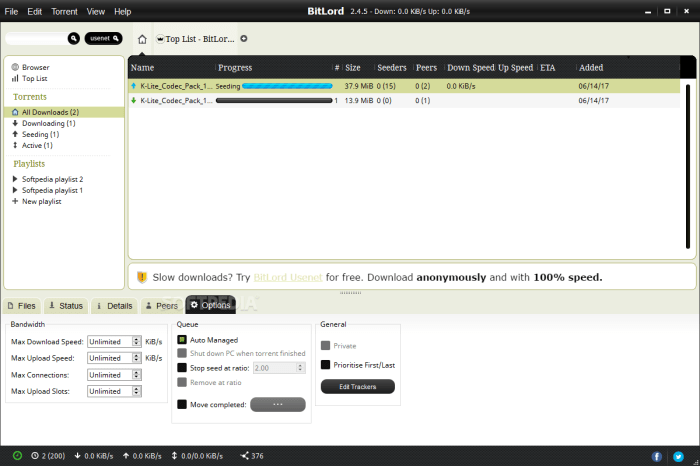
BitLord’s rise to prominence within the piracy landscape has led to inevitable comparisons with its predecessors and contemporaries. Like a ripple in a pond, BitLord’s popularity has sent waves through the peer-to-peer file sharing community, leaving in its wake a trail of notable platforms vying for relevance. A closer examination of BitLord’s standing among other notable P2P platforms like The Pirate Bay, LimeWire, and eMule offers valuable insights into the ever-evolving nature of online piracy.In this ever-changing landscape, BitLord’s ability to adapt and evolve has contributed significantly to its enduring popularity.
By contrast, its contemporaries have had to contend with shifting laws, technological advancements, and increased law enforcement scrutiny. As with any ecosystem, the P2P world is characterized by constant competition for dominance. Strategies such as decentralization, encryption, and community engagement have allowed platforms like BitLord to remain operational while evading law enforcement measures.
Decentralization and Redundancy
A key strategy employed by BitLord and other notable P2P platforms has been decentralization. This involves distributing servers and mirror sites across the globe, making it increasingly difficult for law enforcement to pinpoint and shut down the platform. This decentralized approach mirrors that of decentralized cryptocurrencies like Bitcoin. Decentralization is based on the
“six degrees of separation” principle
, wherein even if one server is taken offline, there will still be multiple other entry points remaining operational. As demonstrated by BitLord’s ongoing success, this approach has proven highly effective.Decentralization not only aids in evading law enforcement but also enhances a platform’s resilience to DDoS attacks, as malicious traffic is more difficult to filter and target. This principle has led developers to increasingly rely on distributed and self-hosted networks.
The concept of redundancy within P2P networks ensures that even if a portion of the network is compromised, other nodes remain untouched and functioning. This robustness against disruptions contributes to the persistence and proliferation of P2P platforms.
Evasion Mechanisms
P2P platforms have developed various evasion strategies to remain operational. One common approach has been the use of
“exit nodes”
, which act as bridges between the P2P network and the public internet. These nodes hide the IP addresses of users and conceal the true nature of traffic passing through them. This makes it more challenging for authorities to identify users engaging in illicit activities.Another key tactic has been the implementation of dynamic IP addresses and the use of virtual private networks (VPNs).
Dynamic IP addresses constantly change, making it tough for law enforcement to pinpoint a specific user or server. VPNs further complicate tracking by encrypting traffic and concealing IP addresses. These tactics, combined with a network’s inherent decentralized structure, contribute significantly to the operational longevity of P2P platforms like BitLord.
Comparing Popularity and Reach

An examination of the popularity and reach of BitLord versus other notable P2P platforms highlights several differences. Based on user statistics, BitLord boasts a notable user base with access to a vast repository of copyrighted content. This widespread adoption has allowed BitLord to establish itself as a top-tier P2P platform. The Pirate Bay, another prominent platform, has also sustained a significant user base in the years following its shutdown and relaunch in different forms.LimeWire and eMule, while influential in the pre-BitLord era, have struggled to regain their former heights of popularity.
Both platforms faced major setbacks, including LimeWire’s shutdown due to copyright infringement and the takedown of eMule’s servers in response to allegations of promoting and facilitating piracy. Despite these setbacks, BitLord’s ability to endure and thrive suggests its popularity is less a result of chance and more a product of its robust architecture and the dedication of its user base.
BitLord’s Technical Infrastructure and How It Facilitated File Sharing

BitLord’s technical infrastructure played a crucial role in facilitating rapid file sharing and downloads, solidifying its position as a leading peer-to-peer (P2P) file sharing platform. With a vast user base and extensive library of shared content, the platform’s infrastructure needed to be designed with scalability and redundancy in mind. This allowed BitLord to handle an exponential increase in user traffic and data transactions, making it an attractive option for users seeking efficient file sharing.
One of the key features of BitLord’s infrastructure was its decentralized architecture, which enabled the platform to operate without a single central point of failure. This decentralized approach allowed the network to distribute user data across multiple servers, ensuring data availability and accessibility even in the event of server outages or failures.
Decentralized Tracker Architecture
The decentralized tracker architecture was a critical component of BitLord’s technical infrastructure, enabling the platform to support a massive number of users and scale horizontally. By distributing the tracker functionality across multiple nodes, the platform could handle a large volume of search queries, track peer connections, and manage shared content.
- Each node in the tracker network maintained a list of available files and their corresponding locations, allowing users to search and retrieve content efficiently.
- The decentralized tracker architecture also enabled BitLord to implement a system of redundant tracking, ensuring that even if one node failed or was taken offline, the remaining nodes could continue to operate uninterrupted.
- This robust tracking infrastructure allowed users to quickly and easily locate and download content, even in situations where the network was experiencing high levels of traffic or congestion.
Peer-to-Peer (P2P) Network Architecture
BitLord’s P2P network architecture was another key feature of its technical infrastructure, enabling users to share and download files directly with one another. By removing the need for a central server or file repository, the P2P network greatly reduced latency and improved download speeds, making it an attractive option for users seeking efficient file sharing.
- Each user’s computer acted as both a client and a server, sharing files with other users on the network and receiving files from other users in return.
- The P2P network architecture also enabled BitLord to implement a system of decentralized caching, allowing users to store and share files from their own computers, reducing the load on the main tracker servers.
- This decentralized caching system helped to distribute the network traffic more evenly, improving overall network performance and reducing the likelihood of congestion or bottlenecks.
NATTraversal and Port Forwarding, Bitlord net worth
BitLord’s technical infrastructure also included advanced NAT traversal and port forwarding techniques, enabling users to connect to and share content with others across different networks and routing environments.
By implementing these advanced techniques, the platform could overcome network address translation (NAT) limitations, allowing users to share files with others on public or private networks, even when behind a firewall or NAT-enabled router.
- The NAT traversal mechanism allowed users to establish and maintain connections with peers on different networks, while the port forwarding system helped to direct incoming and outgoing traffic between users, ensuring seamless communication and content transfer.
- These advanced techniques greatly expanded the reach and accessibility of BitLord, enabling users to connect and share content with others from anywhere in the world.
FAQ Section
What was BitLord’s business model?
BitLord’s business model was based on advertisement revenue and affiliate marketing. The platform generated income by displaying ads to its users and earning a commission for each download or sale facilitated through its platform.
How did BitLord evade law enforcement?
BitLord employed various tactics to evade law enforcement, including using proxy servers, changing its IP address frequently, and relocating its servers to countries with more lenient piracy laws.
What was the impact of BitLord on the entertainment industry?
The proliferation of BitLord and similar file-sharing platforms dealt a significant blow to the entertainment industry, resulting in estimated losses of millions of dollars in revenue. The loss of revenue was due to reduced DVD sales, music sales, and software licensing.
What happened to BitLord’s users?
Many BitLord users were forced to find alternative platforms for their file-sharing needs. Some users migrated to other P2P networks, while others turned to legitimate streaming services.
Why did BitLord shut down?
BitLord faced intense pressure from law enforcement agencies and the entertainment industry, which ultimately led to its shutdown. The platform’s operators were subjected to lawsuits and fines for copyright infringement and related crimes.
